Concept
The core idea is developed from the back-cover copy, themes and intended readership.
EPOSENA Studio
Rather than forcing a book into conventional advertising language, we build a concise cinematic narrative from the spirit of the text. The objective is not to summarise the book, but to create the atmosphere that invites the right audience to read it.
SCOPE
Concept, copy, scene selection, pacing and sound direction are aligned around one narrative objective.
The core idea is developed from the back-cover copy, themes and intended readership.
Opening, emotional or dramatic rhythm and closing are structured with trailer-style dramaturgy.
A realistic, cinematic and consistent scene language is defined for the genre.
The main landscape film is structured so that short platform adaptations can be produced when required.
PROCESS
Production is designed to increase visual impact without distorting the meaning of the book.
The text, back-cover copy and intended readership are reviewed.
Concept, narrative tone and visual approach are defined.
Scenes, pacing, sound and transitions are brought into one coherent structure.
Copy, duration, image, sound and platform format are checked.
FEATURED PRODUCTION
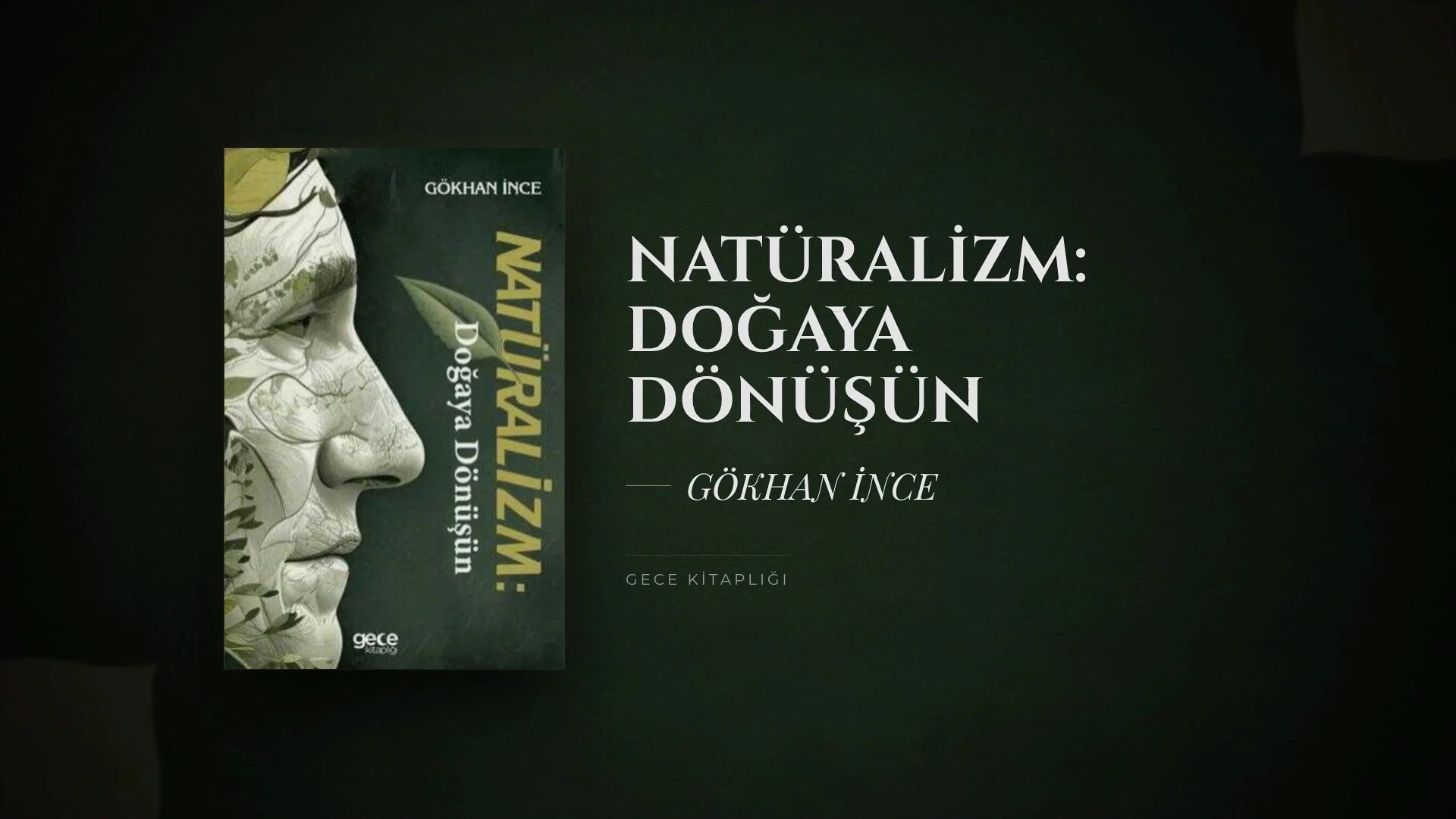
A real book-trailer example that translates the publication’s themes of nature, embodiment and physical presence into a 31-second cinematic flow.
EPOSENA SCREEN
The production does not summarise the book; it turns the core idea into a visual invitation through real-world imagery and a measured pace.
MORE PRODUCTIONS
From corporate life to classic literature and from graphic novels to epic poetry, each production builds a distinct visual approach around the book’s audience, tone and narrative strength.
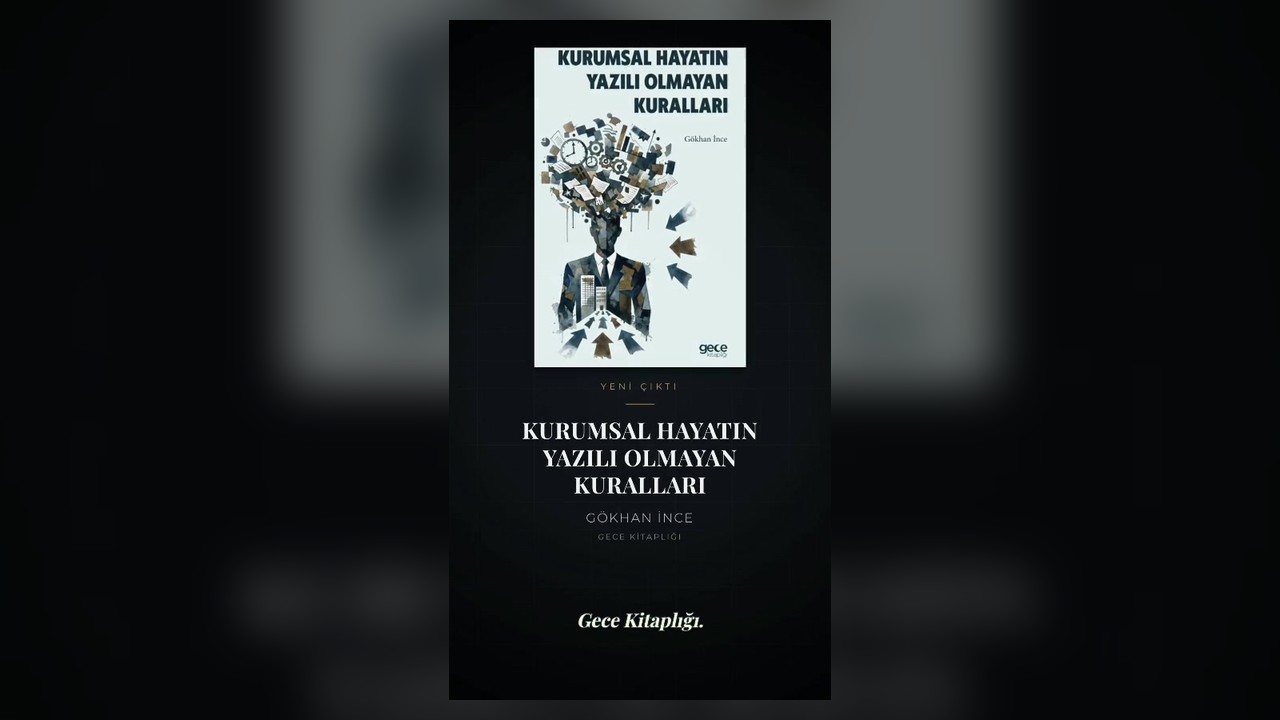
A fast, modern and professional visual treatment of the hidden codes shaping workplace life.
Watch →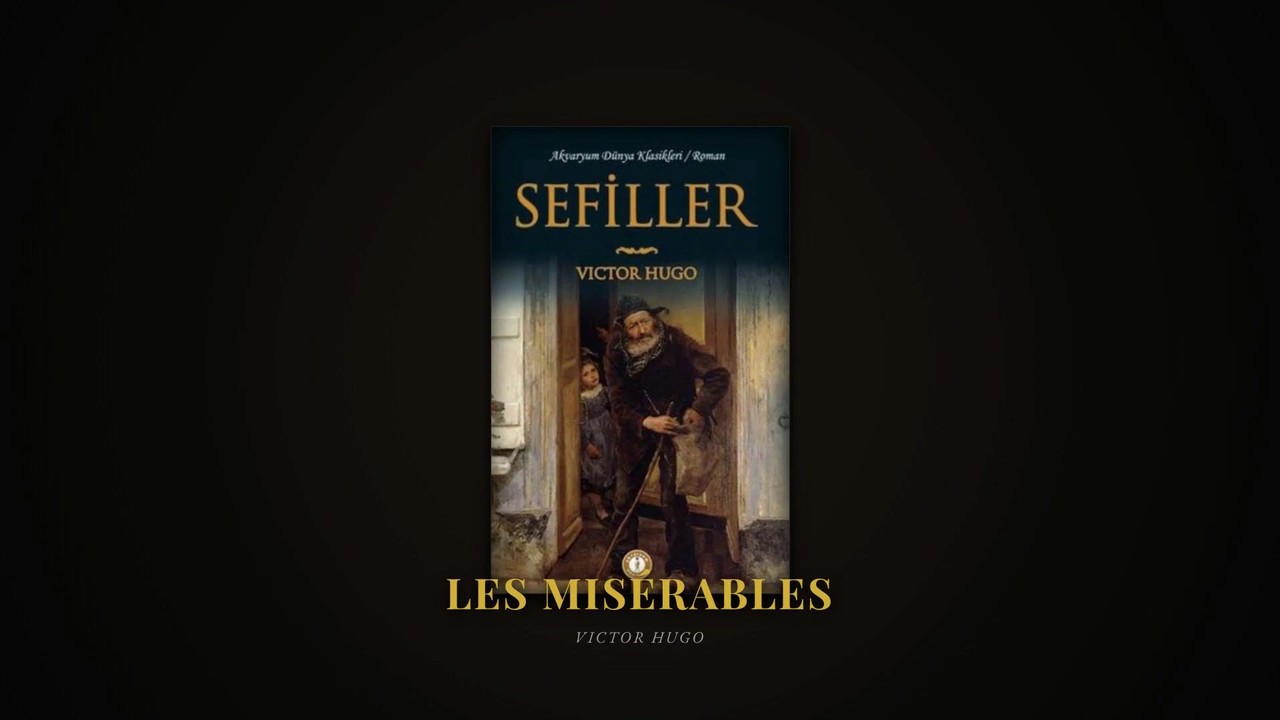
A dark historical atmosphere carrying the novel’s themes of justice, compassion and transformation.
Watch →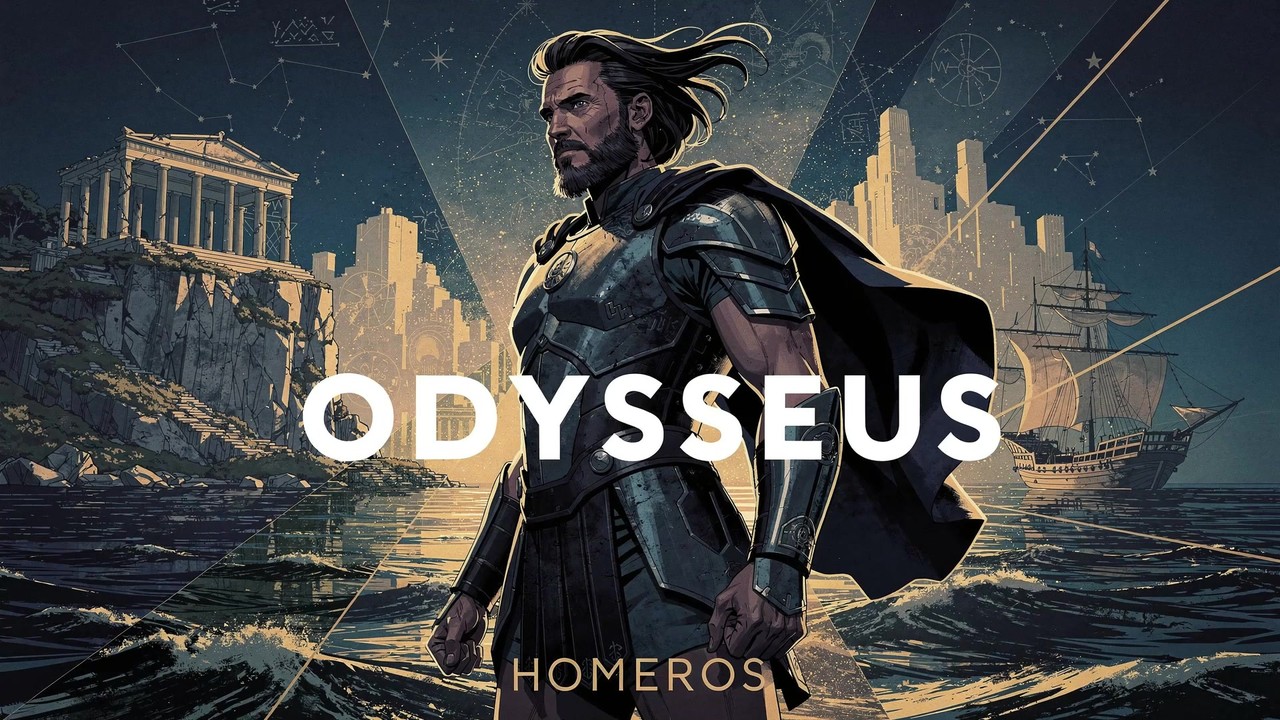
A concise epic and emotional cinematic invitation built around the idea of returning home.
Watch →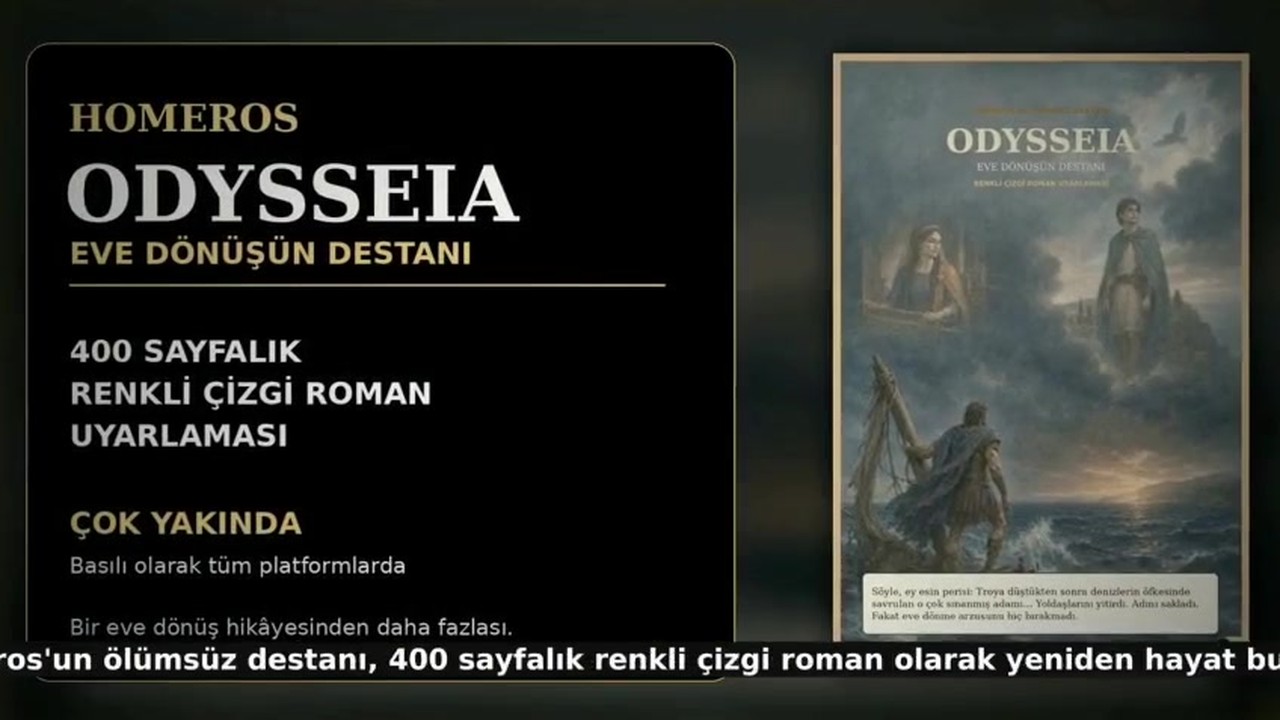
A production connecting the scale and visual world of the 400-page colour adaptation directly to reader curiosity.
Watch →The cover, blurb, intended reader and distribution channels are useful starting points. Duration, language and landscape or portrait versions are defined in the project scope.
A proposal is prepared around the agreed scope, content volume and delivery formats. Share a brief project note so these can be discussed.
Timing depends on scope, available materials and review stages. A delivery schedule should be agreed before work begins.
Revisions, updates and any ongoing support should be stated in the proposal. Share your expected post-delivery needs in the initial discussion.
PROJECT
The cover, back-cover copy and core publication information are enough to begin.